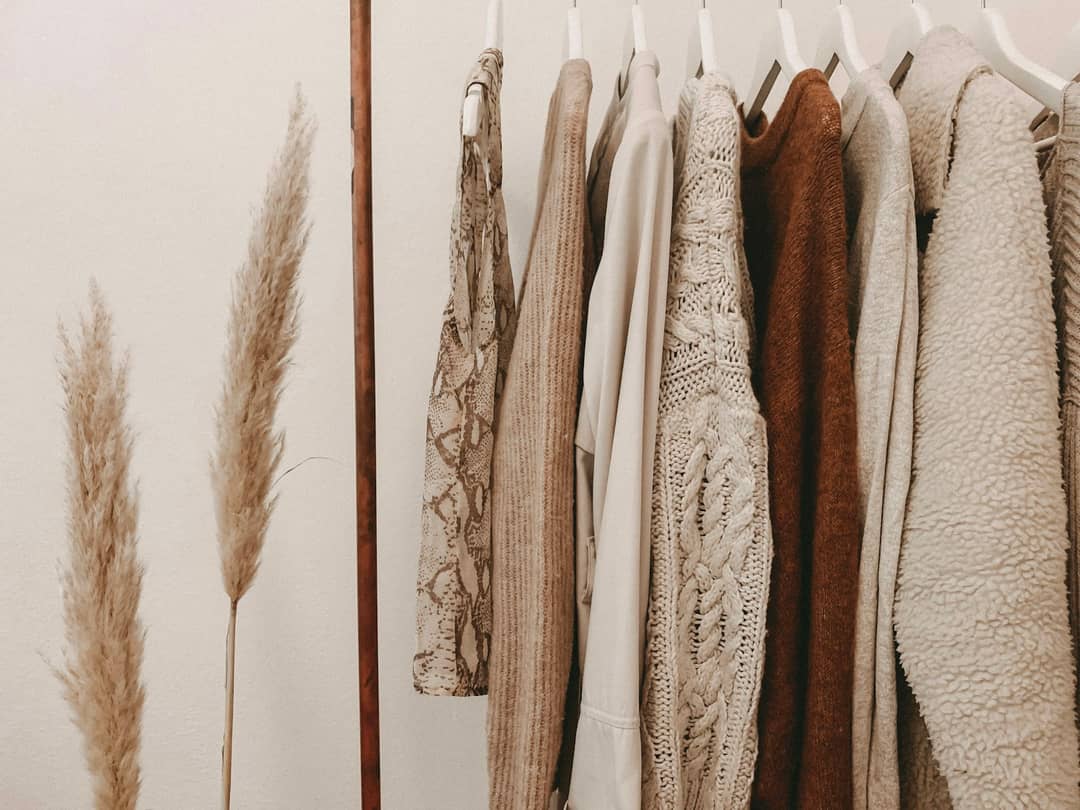
First-Person Fashion Curator POV: Vintage Clothing Rack & Denim
Last month, a fashion influencer who lives down the street from my cafe showed up for coffee wearing a brand-new, six-hundred-dollar nylon bomber jacket from an ultra-hyped luxury streetwear label.
She spun around so I could admire it. "Hana! Look at the drop shoulder! Look at the rubberized logo on the sleeve!"
I reached across the counter, pinched the sleeve between my thumb and index finger, and rubbed it.
It squeaked.
We have reached a bizarre cultural moment where people pay rent-level money for clothes that feel like camping tarps, while throwing away clothes made forty years ago out of real cotton, real wool, and real brass hardware.
I don't shop at malls. I haven't bought a piece of new fast fashion in four years.
My entire wardrobe—which regularly gets photographed by street-style photographers in Soho and the Mission—consists almost entirely of secondhand, thrifted, and military surplus pieces that cost less than a round of cocktails.
Here is the secret: style is not about brand logos; style is about silhouette, weight, and texture.
The Three Rules of the Thrift Hunt
Thrift stores are not department stores. You cannot walk in expecting to find a tidy rack organized by size and color. You have to hunt like a badger.
Here is my field protocol:
1. Shop by Touch, Not by Eye
When I walk into Community Thrift on Valencia or the Out of the Closet on Polk, I don't look at the clothes. I walk down the aisle with my fingers trailing along the hanger shoulders.
- Synthetics feel greasy, cold, and static-charged. Skip them immediately.
- Natural fibers feel dense, dry, and alive. When my fingers hit 14-ounce raw canvas, heavy Harris tweed, or 100% boiled wool, my hand stops automatically.
2. The Men’s Outerwear Section is Pure Gold
Women’s fashion over the last thirty years has been systematically sabotaged by fast-fashion manufacturers: fake pockets, synthetic blends, flimsy tissue-thin cotton.
Head straight to the men's vintage outerwear rack. Look for:
- 1980s French or American chore jackets with real deep patch pockets.
- Vintage Carhartt duck canvas jackets with stained corduroy collars.
- Heavy ribbed wool fishermen’s sweaters from Ireland or Scotland.
An oversized men’s size Large wool coat draped over a fitted athletic tank and wide-leg trousers gives you that effortless, architectural European drape that high-end fashion houses spend millions trying to replicate.
3. Befriend a Local Tailor
The difference between looking like a stylish curator and looking like you got lost in a theatrical costume closet is tailoring.
If you find a pair of 1970s pleated wool trousers for $14 that are four inches too wide in the waist, buy them anyway. Take them to your neighborhood alterations shop, spend $20 to have the waist nipped and the hem cuffed at the ankle.
You now own bespoke wool trousers that fit your body like a glove, for a total investment of $34.
Proportions: The 70/30 Silhouette Law
If you look at the most striking street-style outfits, they almost always follow a law of dramatic contrast:
- Volume on the Bottom + Fitted on Top: High-waisted wide-leg trousers or relaxed vintage denim paired with a clean, cropped cotton tank or ribbed baby tee.
- Volume on Top + Streamlined on the Bottom: A massive, heavy vintage shearling bomber or boxy chore jacket over slim raw denim and broken-in boots.
Never do baggy top and baggy bottom, unless you are actively auditioning for a 1999 skate video. And never do tight top and tight bottom, unless you are on your way to hot yoga.
Contrast is where the drama lives.
Hana's Vibe Check & Playlist
Next Saturday, skip the online checkout carts. Head to your local thrift shop with twenty bucks in your pocket.
Touch the fabrics. Look for the union labels from 1978. Find something that has already survived four decades of life, take it home, and make it part of your own story.