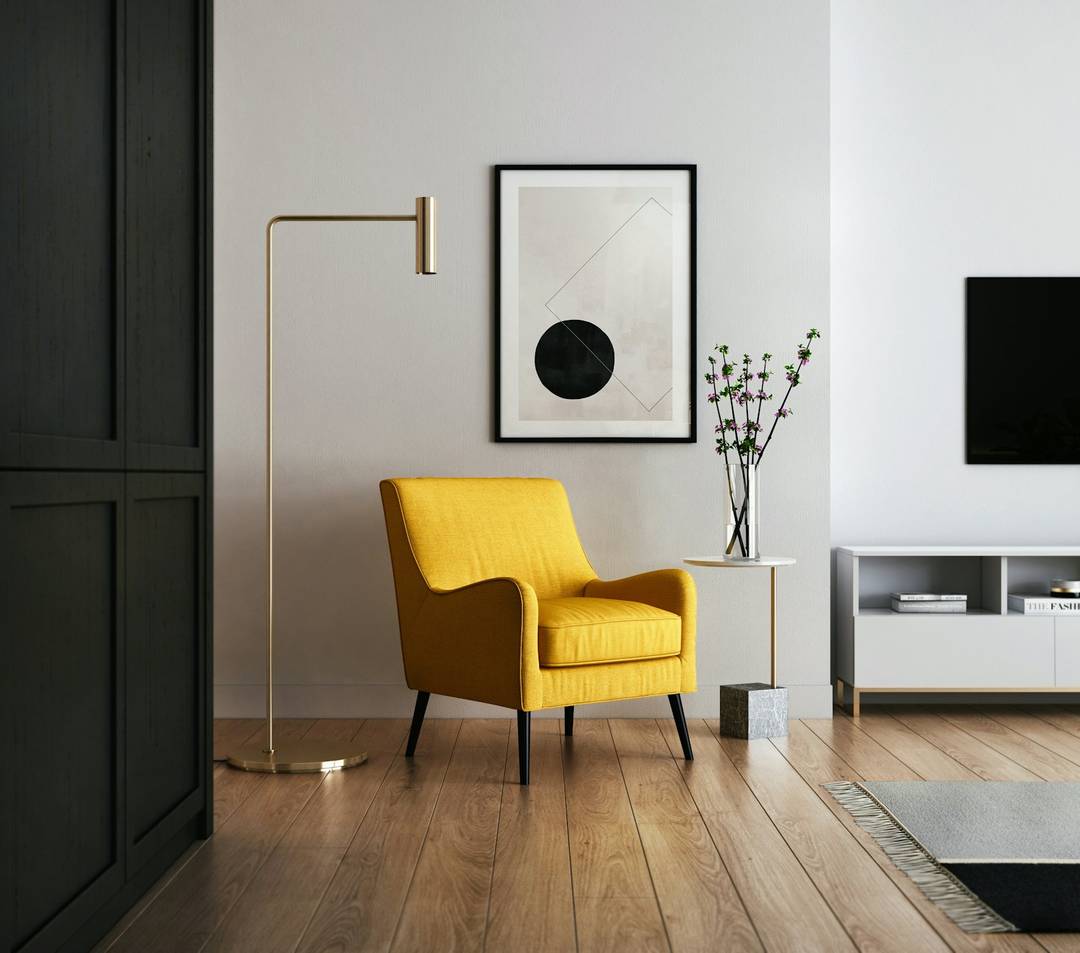
First-Person Architectural POV: Sun-Drenched Morning Nook & Tea Table
Watch how most people begin their day in modern apartments:
The alarm sounds at 6:45 AM. They reach for their smartphone on the nightstand, squinting through one open eye at twenty-four notifications about corporate crises and political collapse.
They shuffle into the kitchen in their socks, press the button on an electric coffee maker, and immediately lean against the kitchen island counter, scrolling through social media while the machine sputters.
They drink their coffee standing up, chewing a piece of dry toast over the sink so they don't have to wash a plate, while their eyes dart between a laptop screen and their wrist watch.
Before they have even brushed their teeth, their mind is already thirty miles down the highway, fighting the battles of the afternoon.
They have not lived the morning. They have simply survived the launch sequence of an anxious day.
To counter this modern epidemic of fractured mornings, I introduce a single, non-negotiable element into every residential blueprint I draft:
The Power of Environmental State-Anchoring
In cognitive psychology, environmental state-anchoring describes how the human nervous system pairs specific physical spaces with specific neurochemical states:
- If you work from your sofa, your sofa becomes anchored to deadline cortisol. When you try to watch a movie on that sofa on Friday night, your brain cannot relax.
- If you check email in bed, your mattress becomes anchored to vigilance. When you lay your head on the pillow at midnight, your brain anticipates work emergencies.
The morning nook operates under a strict, sacred behavioral covenant:
No laptops are permitted. No smartphone chargers are installed nearby. No unopened mail or bills are allowed to accumulate on the table.
When your body sits in this specific chair, your brain knows with absolute, tranquil certainty: “We are here to savor the dawn. The world can wait twenty minutes.”
Anatomy of the 6x6-Foot Sanctuary
You do not need an entire spare room or a glass conservatory to build this. All you need is a single six-foot by six-foot corner of your living room or bedroom:
1. The Eastern or Southern Window Horizon
Position the nook within three feet of a window that catches natural morning daylight. Morning photons entering the eye at a low angle signal your suprachiasmatic nucleus to set your circadian clock, regulating sleep cycles eighteen hours later.
2. The Deep-Sit Armchair or Wool Floor Cushion
Choose seating that invites deep surrender. A vintage sheepskin-draped armchair (like Hans Wegner’s Papa Bear chair) or a low Japanese tatami floor cushion with a heavy wool bolster. The seat should support the spine without feeling rigid or corporate.
3. The Low Pedestal Table (18 to 22 Inches High)
A small, circular pedestal table in raw oiled oak or honed limestone. It only needs to hold three physical objects:
- Your morning ceramic cup of tea or pour-over coffee.
- A small stoneware dish for an unpeeled satsuma orange or a slice of warm sourdough.
- An open notebook or a single volume of poetry.
4. The Single Living Stem
A single branch of olive, wild eucalyptus, or seasonal flowering quince resting in a hand-thrown ceramic bud vase. A quiet, living reminder of the changing seasons outside your window.
The Twenty-Minute Morning Vow
Tomorrow morning, try this simple experiment:
Wake up fifteen minutes earlier. Boil the kettle. Pour your coffee into your favorite heavy ceramic mug.
Walk past your computer. Leave your phone face-down in another room.
Sit down in your morning corner. Feel the weight of the warm cup in your hands. Watch the sunlight move across the floorboards. Breathe three slow, deep breaths, and let the morning welcome you to the world before you ask anything of it.
That twenty minutes of quiet stillness will stay with you long after the chaos of the day begins.